[Last updated March 17, 2026]
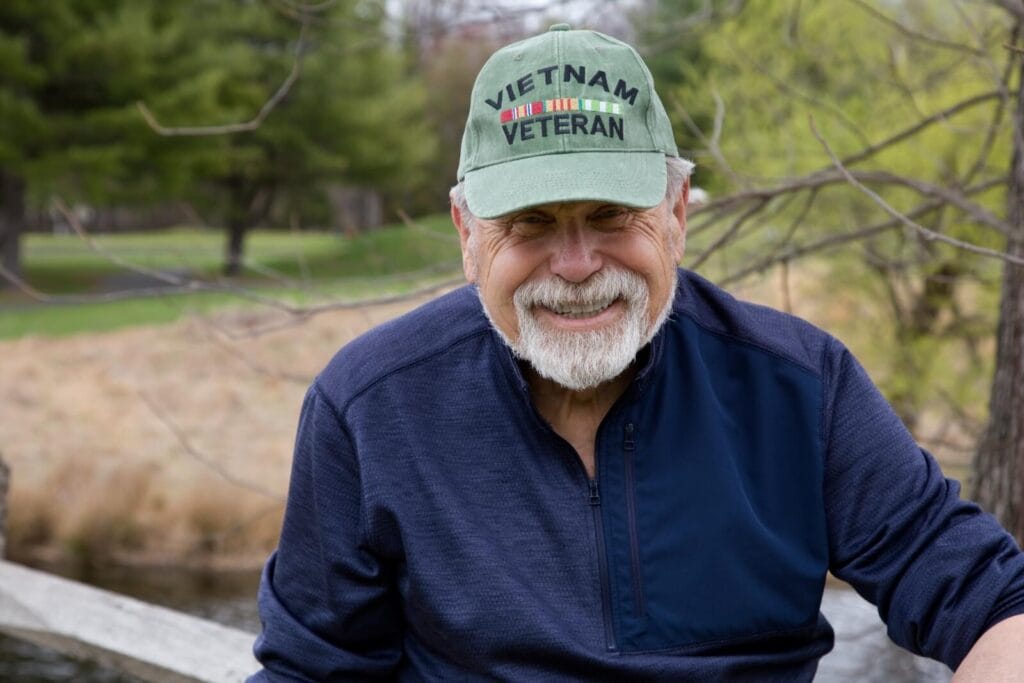
Older adult Veterans aged 65 years and older may be eligible for key financial resources from the U.S. Department of Veterans Affairs (VA) that could support their health, care needs, and financial stability as they age. Depending on the person’s circumstances, benefits may include monthly financial assistance, health care, long-term care services, caregiver support, and survivor benefits. Here’s an overview of Veterans benefits for older adults.
Monthly financial benefits for Veterans
The VA offers several types of monthly financial benefits that may help older Veterans and their families manage care costs and everyday expenses. Which benefits may be available depend on factors such as wartime service, income, disability status, and whether the applicant is a Veteran or a surviving family member.
VA pension benefits
The VA helps older adult Veterans with limited income by providing a pension benefit in the form of monthly payments. Veterans who are 65 and older, have a permanent disability, or live in a nursing home due to disability may be eligible if they meet service and income requirements. Monthly financial assistance is a tax-free benefit payable to low-income Veterans.
Aid and Attendance
The VA Aid and Attendance (A&A) benefit provides additional monthly payments to qualifying Veterans and their spouses. To be eligible for the A&A benefit, Veterans (or their spouses) must already receive the VA pension and require assistance with activities of daily living, be confined to a bed, have limited eyesight, or live in a nursing home due to loss of physical or mental abilities because of a disability. They must also meet service requirements and income and asset limits.
Housebound benefit
Older adult Veterans who receive the VA pension may also be eligible for the Housebound benefit if they spend most of their time at home due to a permanent or chronic disability. To qualify for the Housebound benefit, the Veteran or surviving spouse must already receive the VA pension and meet certain income and asset limits.
The Housebound and A&A benefit amounts adjust for inflation annually and depend on other factors, such as number of dependents.
Veterans can receive the VA pension alone, the VA pension and the A&A benefits, or the VA pension and the Housebound benefit. They cannot receive the Housebound and Aid and Attendance benefits simultaneously.
Disability compensation
Veterans of any age who live with a service-connected disability may qualify for tax-free monthly payments through VA disability compensation. This benefit is not based on financial need and is considered an earned benefit for disabilities that began or worsened during service. Veterans must not have received a dishonorable discharge.
As Veterans age, many service-connected conditions naturally progress. Older Veterans who already receive disability compensation may be able to request an increased rating if their health has worsened.
VA health care
The VA offers health benefits, including inpatient and outpatient services ranging from preventive care to surgical procedures, as well as coverage for prescription drugs.
Veterans eligible for the VA standard medical benefits package must not have received a dishonorable discharge and must have met their minimum length of duty (which varies depending on several factors). Veterans who enroll in this health care program can use it as their sole coverage option or combine it with Medicare or private health insurance.
The VA provides a geriatric evaluation as part of its standard medical benefits package. The evaluation assesses older adult Veterans’ physical health, social environment, and care abilities. Information from the assessment helps create a plan of care for aging Veterans.
Long-term care services for older adult Veterans
VA long-term care services help older Veterans live as independently as possible, whether at home or in a residential care setting. These services support daily activities, address chronic health needs, provide memory care, facilitate rehabilitation, and more. These services may be provided in Veterans’ homes, community sites, residential care settings, and nursing homes.
Service options for older Veterans who live at home include:
- Homemaker and home health aide care.
- Skilled home health care.
- Adult day health care.
- Respite care for caregivers.
For Veterans who do not live at home, VA long-term care may also be available in residential settings or nursing homes. In assisted living and similar community residential settings, the VA generally does not pay for room and board or the basic cost of the residence, but it may cover some additional health or supportive services for eligible Veterans. For Veterans who qualify for nursing home care, the VA may cover care in a VA Community Living Center, a community nursing home, or a State Veterans Home “if you meet certain eligibility criteria involving your service-connected status, level of disability, and income.”
Caregiver support programs
Many older Veterans prefer to stay in their own homes for as long as possible. In addition to the care benefits mentioned above, VA caregiver programs can help make this possible.
The VA Program of General Caregiver Support Services (PGCSS) is available to caregivers of Veterans enrolled in VA health care. Through this program, caregivers can access peer mentoring, skills training, coaching, telephone support, online programs, and referrals to other resources.
For Veterans with more significant needs, the Program of Comprehensive Assistance for Family Caregivers (PCAFC) may offer a higher level of support. Depending on eligibility, this program may provide a monthly stipend to the primary family caregiver, access to health care coverage through CHAMPVA for a qualifying primary caregiver who does not already have health insurance, mental health counseling, caregiver training, and respite care.
Survivor and end-of-life benefits
The VA provides important benefits to surviving spouses, dependent children, and families. Understanding these benefits can give older Veterans peace of mind and help loved ones plan for the future.
One key benefit is Dependency and Indemnity Compensation (DIC), which is a tax-free financial benefit for a surviving spouse, child, or parent of a servicemember who died in the line of duty or whose death resulted from a service-related injury or disease.
Other helpful survivor benefits include:
- Survivors pension (for low-income widowed spouses and children).
- Aid and Attendance.
- Burial and memorial benefits in VA national cemeteries.
- Headstones, markers, or medallions.
- Burial allowances.
- Presidential Memorial Certificates.
These programs can ease financial stress and help honor the Veteran’s service.
How to find out if you qualify for a senior Veteran benefit
As Veterans get older, the types of support they may qualify for can change, especially if health needs, care needs, or financial circumstances shift over time. Exploring benefits such as monthly financial assistance, health care, long-term care services, caregiver support, and survivor benefits can help Veterans and their families plan more confidently for the years ahead. To learn what may be available, Veterans or their loved ones can review options through VA.gov, contact a regional VA office, or work with a Veterans Service Officer. Before applying, it can help to gather documents such as discharge papers, household financial information, insurance details, and the Veteran’s Social Security number.
Need help filing for VA benefits? Contact ElderLife Financial today to connect with experienced and accredited VA agents who can assist you in filing an application and determining if you or your loved one is likely to qualify for the Aid and Attendance pension.