[Last updated February 10, 2026]
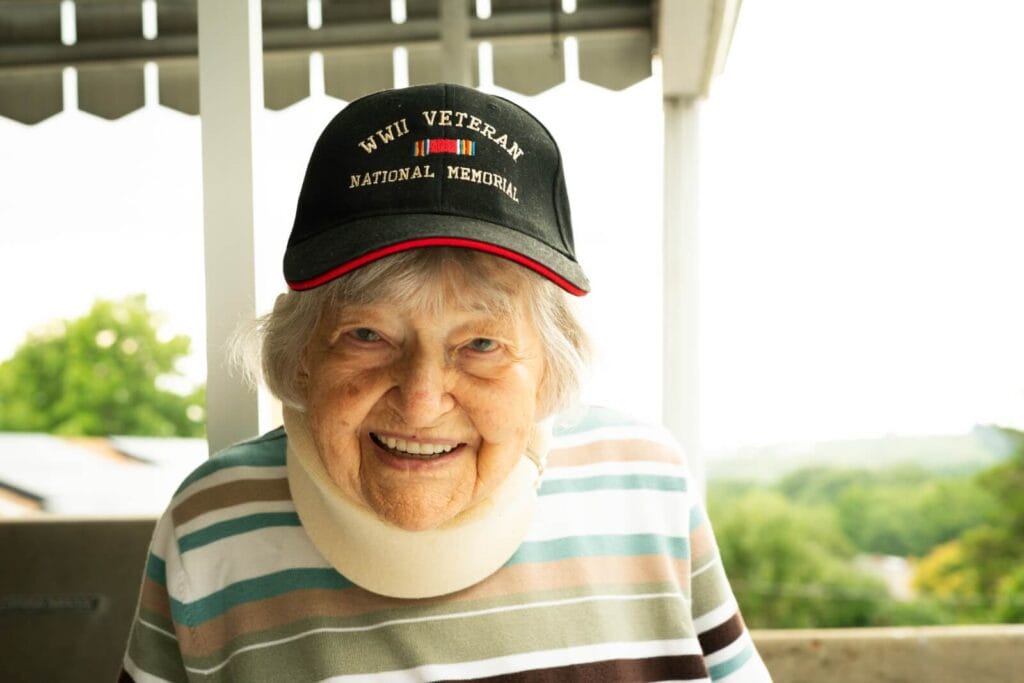
Senior Veterans may have access to special U.S. Department of Veterans Affairs (VA) programs that can support their choices for where they want to live, whether in their own homes or in a senior care community. Here, we’ll discuss residential community options and special assistance programs, like VA loans and grants, that can help Veterans repair, maintain, or modify their homes so they are safe for aging in place.
Veteran residential housing options
Some older adults require a level of care that cannot be provided in the home. Veterans who need greater assistance can live in residential settings that provide that higher level of care. Some residences are home to Veterans only, and others can have residents who are not Veterans. Here are some examples of each:
VA residential communities
VA operates a few types of residential facilities that house and care for Veterans:
- VA nursing homes: Also called VA Community Living Centers, these nursing homes run by VA focus on housing and caring for their Veteran residents.
- State Veteran homes: The VA and the state where the residence is located run these residences together. State Veteran homes are residential communities that often provide varying levels of care, from domiciliary (where residents need little help and can live fairly independently) to nursing home-level care to memory care.
Community residential care
Veterans can also live in a residential setting that VA does not run. VA refers to these options as community residential care, meaning the Veteran lives in their own community at a residential care facility not run by the VA. Some of these options include:
- Community nursing homes: These are nursing homes where Veteran and non-Veteran residents can live. Choosing this type of residential setting can be beneficial for Veterans who do not live in an area with a VA nursing home. VA contracts with some nursing homes to provide oversight following set standards of quality care for Veterans.
- Assisted living facilities: Assisted living communities are excellent options for Veterans to live in a safe, communal, and homelike environment. These communities provide assistance with activities of daily living, housekeeping services, planned activities, and other amenities. They are not run by VA.
- Medical foster care: In this type of setting, residents, both Veteran and non-Veteran, can live and get nursing home-level care without living in a nursing home with many residents. These facilities house fewer residents. Caregivers help them with activities of daily living and other needs that nursing homes typically meet. Veterans seeking medical foster care can visit VA’s page on medical foster homes (MFHs) to learn more.
- Adult family homes: Adult family homes are homes for typically fewer than six residents. Caregivers help residents with activities of daily living, and residents may have their own room or share it with another resident. The residents share common spaces, like dining and living areas.
VA typically doesn’t cover rent in these facilities, but they may be able to help with costs or provide services, such as covered nursing visits. Certain Veterans also have access to benefits such as Aid and Attendance that can help offset the costs of residential care.
If you are interested in residential housing options, first consider your needs to decide which is best for you. The VA Office of Geriatrics and Extended Care provides detailed information on the different types of communities and their eligibility requirements. Talk with a VA social worker to determine which community best meets your needs.
VA home loans and disability housing grants for Veterans aging in place
Many older Veterans wish to remain in their homes as they age or to purchase a new home to live in independently. However, older homes may need repairs or maintenance, or the senior may need accessibility modifications to ensure that their home is safe to live in. There are programs specifically designed to help Veterans buy, repair, or modify their homes so they can safely age in place.
VA home loans
A VA home loan is a government-backed option that helps Veterans buy, build, improve, or refinance a home. The VA guarantees a portion of the loan to a private lender. With this guarantee, the lender can generally offer more favorable loan terms. The main benefits of VA home loans include the following:
- No down payment.
- Lower interest rates.
- Closing cost limits.
- Flexible credit score guidelines.
- No requirement for private mortgage insurance.
To be eligible for a VA loan, Veterans and surviving spouses must meet certain service requirements. To apply for a VA home loan, you must first obtain a Certificate of Eligibility from VA. Once you’ve done so, you apply for a VA loan from the lender of your choice.
The Special Home Adaptation grant
Permanently disabled Veterans with service-connected disabilities may qualify for a Special Home Adaptation (SHA) grant. This grant program offers much-needed financial assistance to help Veterans live independently in their homes. With SHA grant funds, the Veteran can buy or build an adapted home, modify their home to meet their needs, or use the funds toward a mortgage principal in certain circumstances.
To be eligible for this grant, the Veteran or their family member must own the home, and the Veteran must have a qualifying service-related injury.
The Specially Adapted Housing grant
The Specially Adapted Housing (SAH) grant offers assistance to disabled Veterans living independently who want to build, purchase, or modify a home. Veterans can use the funds to purchase or build an adapted home or modify an existing home for accessibility. Modifications can include installing wheelchair ramps, widening doorways for wheelchair access, and more.
To be eligible for this grant, the Veteran must own the home and have a qualifying service-related injury.
The Temporary Residence Adaptation grant
If service-related injuries qualify a Veteran for an SHA or SAH grant but they are living temporarily with a family member in a home the Veteran does not own, they may be able to access the Temporary Residence Adaptation (TRA) grant. If the Veteran is temporarily living with a family member in a house that doesn’t meet their needs, they can use funds from a TRA grant to modify the temporary home for accessibility.
To qualify for a TRA grant, the Veteran must have service-related injuries that qualify them for SAH or SHA and be living temporarily in a family member’s home that is not adapted for accessibility.
The Home Improvements and Structural Alterations grant
The Home Improvements and Structural Alterations (HISA) grant is for senior Veterans with a service-related disability, though some non-service-related disabilities may also qualify. This grant provides funds for medically necessary home improvements, including disability access to all areas and facilities within the home. Covered modifications might include installing a walk-in bathtub or a roll-in shower.
To qualify, a VA medical professional must state that these structural alterations and improvements to the home are essential.
Assistance for senior Veterans experiencing homelessness
Veterans experiencing homelessness can find permanent housing through the U.S. Department of Housing and Urban Development-VA Supportive Housing (HUD-VASH) collaborative housing assistance program. With HUD-VASH, clinic services and case management provided by the VA are combined with rental assistance from HUD’s housing choice voucher program.
Veterans have options to get help with housing
Veterans have several options to help them live in a safe, healthy environment as they age. Whether the best place is a senior living facility or a home adapted to meet their needs, various programs can help. To learn more about your options or to apply for an assistance program, visit a VA regional office and speak with a VA assistant.