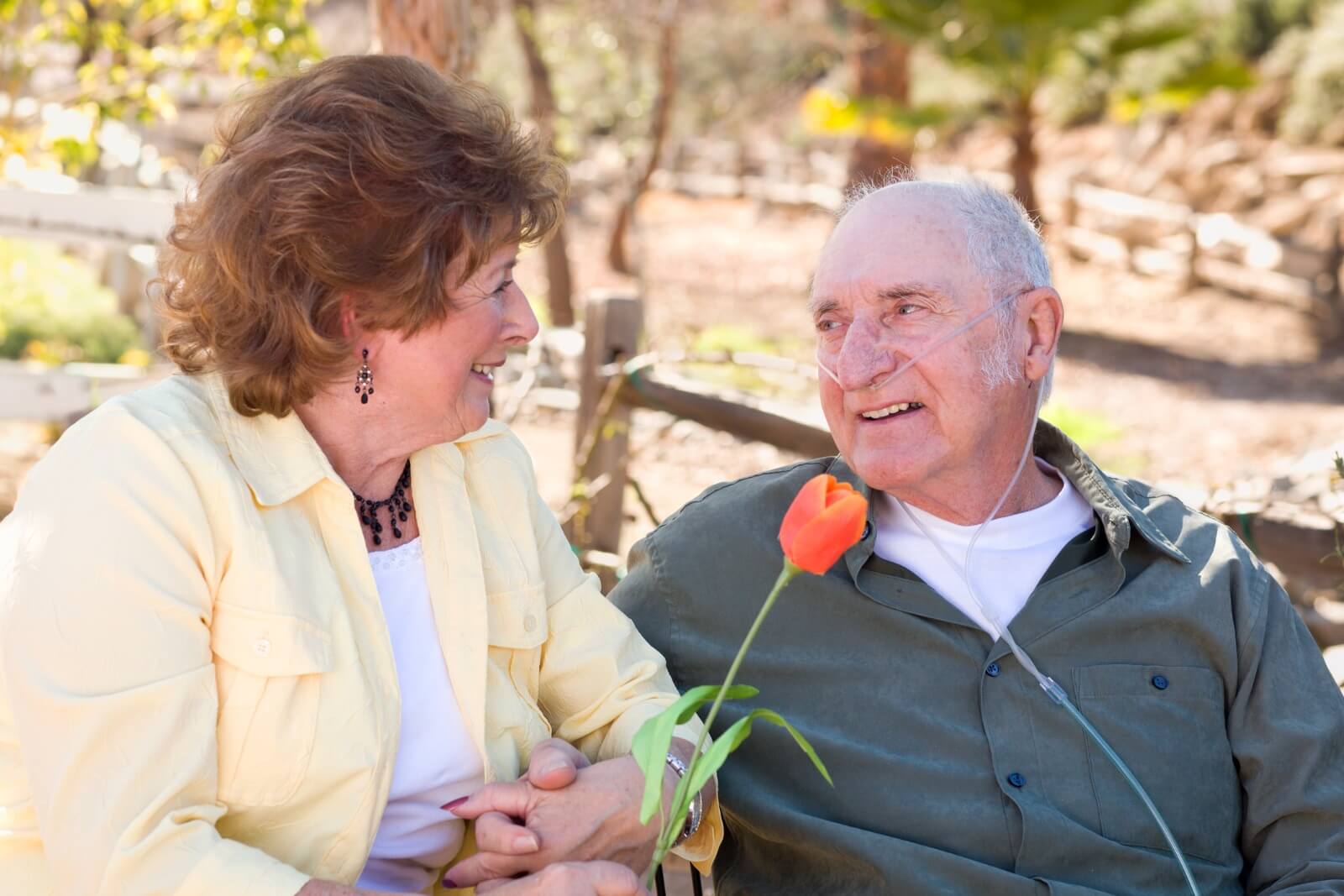
Caring for a senior with dementia can feel overwhelming, especially when the way you’ve been doing things stops working or begins creating more stress than relief. However, some small, thoughtful adjustments to your daily routines and environment can enhance quality of life for both of you. The following tips offer manageable ways to reduce friction and promote comfort, clarity, and connection.
Stop correcting and start accepting
Seniors with dementia inevitably misremember things. It can be tempting to correct insignificant details and even feel necessary when your loved one forgets important things. But being constantly corrected can be frustrating and upsetting for anyone, including people with dementia.
Ask yourself how important it really is when your loved one gets things wrong. Try shifting your focus toward helping them feel calm and maintaining their dignity. Instead of correcting, try neutral responses like nodding with a smile or making a harmless comment like “How about that” or “Oh, I didn’t know that.” This helps preserve trust and reduces unnecessary tension.
Meet your senior loved one with dementia where they are in time
Similarly, trying to keep your loved one oriented in the present can be frustrating for you both. Often, dementia causes people to believe they are in a former time of their life. Supporting their current perception of reality can help reduce confusion and provide comfort. Here are a few ideas:
- Playing music, movies, or TV shows from their youth can be fun and comforting.
- If they worry they need to get to work, instead of reminding them they are retired, try comments like “You have a bit more time. How about a cup of tea before you go?”
- You can redirect concerns about deceased loved ones by saying something like “She is coming later this afternoon. I’ll let you know as soon as she arrives.”
Keep in mind that although it may feel like you’re lying to them, you’re in truth being kind.
Match their pace to maintain their calm
As a caregiver, getting things done can take over your day. You probably feel like you’re rushing through each day. But your urgency and quick pace can be disconcerting to your loved one. Their discomfort may lead to resistance or agitation, which can make tasks more difficult.
Seniors with dementia often pick up on others’ moods and stress levels. You can help your loved one feel more comfortable by intentionally slowing your pace and maintaining a calm presence. This small adjustment can improve cooperation and reduce stress for both of you.
Communicate clearly and respectfully
While you may talk to your kids or your spouse from another room or when facing away from them, your senior loved one with dementia may not be able to hear or process what you’re saying that way anymore.
Here are some tips for more effective communication:
- Speak face-to-face at eye level.
- Use a calm, steady tone.
- Keep language simple and clear.
- Avoid shouting from another room.
- Slow your speech, but don’t speak condescendingly.
Remember to be patient and keep trying. This connection with you is important to them.
Help them feel heard
Seniors with dementia sometimes become agitated, frustrated, or angry. Their confusion can lead them to believe they’ve been insulted, wronged, or stolen from. Telling them those things aren’t real may be true, but it doesn’t help them process those feelings that are very real to them in that moment.
Instead of dismissing their concerns, acknowledging their emotions can diffuse their anxiety. Saying, “Are you telling me someone has taken your sweater? I’ll go look for it,” can help your loved one feel supported. Even when the facts are incorrect, the feelings are real, and recognizing those emotions builds trust.
Let your senior loved one with dementia mirror you when they’re confused
If your loved one is balking at a simple task like washing their face, brushing their teeth, or eating or drinking, it’s possible they aren’t sure what you want them to do. Repeated reminders or urging may lead to frustration.
Try washing your own face or brushing your own teeth at the sink with them, encouraging them to do the same. Seeing what you’re doing may help them copy your behavior. Instead of placing their food in front of them or urging them to drink something, sit down with them and take some bites or sips and see if they join you. This method often prompts participation without pressure.
Create a simulated workstation
Seniors with dementia often spend a lot of time simply sitting, watching TV, or napping. While that may seem like a good time to get some things done, your loved one isn’t getting mental stimulation or activity that could improve their quality of life or even delay the progression of their dementia.
Assembling a familiar-feeling workstation can be mentally stimulating and provide a sense of purpose. Use items that reflect past roles. For example:
- A desk with paper, pens, and a calculator for a former office worker.
- Simple, safe tools or mechanical parts for someone who worked with their hands.
- Napkins or towels to fold for homemakers.
- Dolls or stuffed animals for nurturing tasks.
- Stirring bowls and wooden spoons for former cooks or bakers
Toy items are perfectly fine as long as your loved one doesn’t feel infantilized or condescended to.
Provide comfort with textures and tactile items
People with dementia often feel restless and at loose ends. They may wander around or fiddle aimlessly with their hands or fingers. Trying to get them to sit still or stop fidgeting may not always work, or worse, may upset and confuse them.
Textured items to touch, feel, or squeeze can be calming and comforting. Helpful tactile items include:
- Fleece or microfiber fabrics.
- Plush animals and dolls.
- Rough or nubby items.
- Fidget toys.
These items can provide sensory interest and stimulation that can soothe the need to wander or fidget. Having a variety of safe tactile options available gives them an outlet for excess energy and helps them self-soothe.
Slow down and add love to your touch
Personal care is an important part of caring for someone. Being touched by someone else can feel threatening to a senior with dementia. Touch that feels cold and clinical leaves them feeling unseen as a human being and causes them to resist your efforts.
Busy caregivers can be in a rush and forget to touch gently and soothingly, but it’s an easy shift to slow down and deliberately put love and care into your contact with your loved one. We all need affectionate touches, and seniors often don’t get nearly enough of this important human connection.
When bathing them, dressing them, applying lotion, or doing any of the other many things you do that involve touch, try concentrating on making your touch convey respect, caring, and love. This not only increases comfort but also helps reduce resistance during care routines.
Show your appreciation often
It’s all too easy to forget to express appreciation for your senior loved one and to let them know the joy they have brought and still bring to your life. Feeling like a burden or like they have no value is upsetting, even to someone with dementia.
Look for everyday ways to show that they matter:
- Show your appreciation with warm smiles and laughter.
- Compliment their happy smile, their sense of humor, or their cooperation and help with little tasks.
- Tell them how much they mean to you.
- Remind them of the reasons you love and cherish them.
- Offer hugs or gentle touches.
- Say “I love you” often.
These moments of connection help maintain emotional well-being for both of you.
Caring for a senior with dementia is complex, but it doesn’t always require major changes to make a positive difference. Small, thoughtful adjustments can ease daily challenges and improve your loved one’s quality of life. These changes are not about doing more; they’re about doing things differently, in ways that are more sustainable and supportive for both of you. Over time, these small steps can add up to a more manageable and rewarding caregiving experience.