
Best Walkers and Rollators for Seniors of 2026
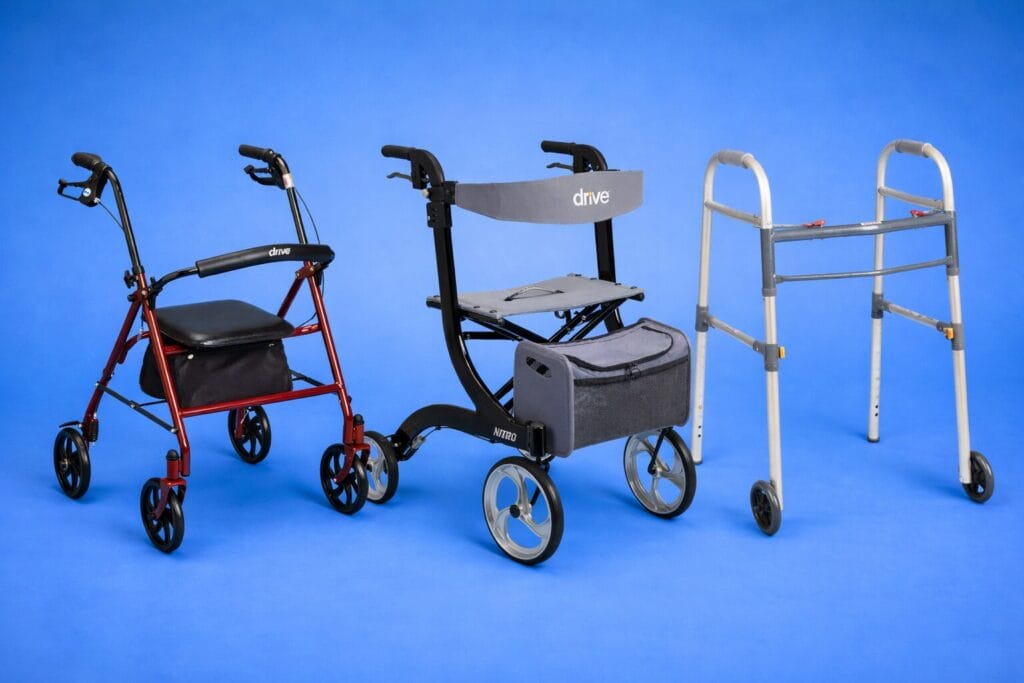
An in-depth guide to the year’s top walkers and rollators, from simple indoor folding walkers to comfortable, all-terrain rollators. In this article, we’ll help you find the best walkers and rollators for seniors to meet a variety of needs.
Staying mobile is one of the biggest drivers of independence as we age—and the right walker or rollator can make daily life feel dramatically easier. The best models don’t just “help you walk”: they reduce fall risk, make longer outings feel manageable, and add confidence for everyday tasks like getting around the kitchen, shopping, or walking a block to see friends.
The trick is matching the tool to the job. A basic two-wheel walker can be ultra-stable and simple indoors, while a four-wheel rollator can glide smoothly outdoors and add quality-of-life features like a supportive seat, storage, and better control on slopes. But there are tradeoffs: rollators can feel less “locked-in” than standard walkers, and three-wheel models turn beautifully in tight spaces but typically give up some stability (and often a seat).
In putting this guide together, we focused on the stuff that matters in real use: stability and safety (including brakes), ease of folding and transport, comfort (handles + seat, when included), maneuverability in tight homes, and how well each model handles typical surfaces—from carpet transitions and door thresholds to sidewalks and rougher paths. We also paid attention to “ownership details” that determine whether a walker actually gets used: folding mechanisms that don’t require awkward balance, storage that’s easy to reach, and grips that don’t fatigue the hands over time.
Below you’ll find our top picks across multiple categories, followed by detailed writeups and buying advice to help you choose the right type (and avoid common mistakes).
Editor’s Note: This guide reflects updated testing insights and comparisons from major consumer-focused reviews for 2025.
Our Team’s Walkers & Rollators Picks
Best Overall Rollator: Drive Durable 4 Wheel Rollator with 7.5″ Casters (see on major retailers)
Best Budget Walker: Drive Deluxe Trigger Release Folding Walker (see on major retailers)
Best Lightweight / Tight Spaces: Vive Health 3 Wheel Walker Rollator (see on major retailers)
Best for Comfort (Premium Feel): Medline Empower Premium Rollator (see on major retailers)
Best for Outdoor Terrain: ELENKER All Terrain Rollator (see on major retailers)
Best Premium Upgrade: Drive Medical Nitro Euro Style Rollator (see on major retailers)
Best Overall
#1. Drive Durable 4 Wheel Rollator with 7.5″ Casters
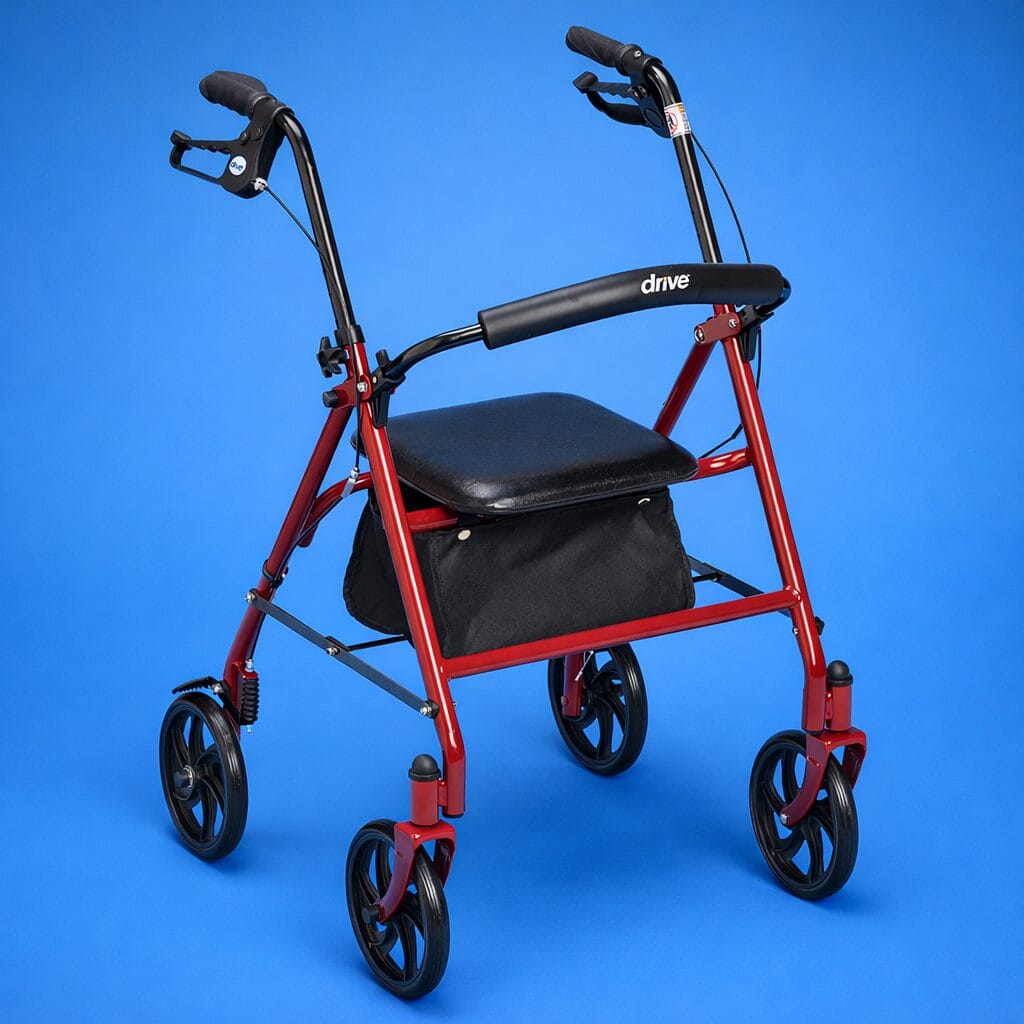
Four-wheel rollator with padded seat, backrest, and loop-lock hand brakes.
Specs
Weight: 18 lb
Type: 4-wheel rollator
Key features: Padded seat + backrest, loop-lock hand brakes, large 7.5″ wheels, 300-lb capacity
What we like
Simple setup: Assembly is quicker and more straightforward than most models.
Real rest breaks: A comfortable, padded seat and backrest make stops restorative.
Mixed-surface rolling: Larger wheels smooth out cracks, thresholds, and sidewalk seams.
Braking confidence: Loop-lock hand brakes feel intuitive and secure for everyday safety.
What we don’t
Heavier build: 18 lb is tougher to lift into a trunk than lighter options.
Basic look: More utilitarian than premium “Euro-style” designs.
If you want one rollator that “just works” for most people, this Drive model is hard to beat. The theme here is practicality: it’s intuitive, sturdy, and comfortable enough that seniors actually want to use it—arguably the most important factor of all.
In real-world use, the padded seat/backrest combo is what turns a rollator from “walking support” into a freedom tool. When fatigue hits, you can stop, lock the brakes, and take a proper break instead of hunting for a bench or leaning against a wall. Because the wheels are larger than those on many basic rollators, it feels smoother and less jarring over typical daily obstacles like door thresholds and sidewalk cracks.
We also like the safety story. Many falls happen during transitions—starting, stopping, turning, and sitting. A rollator with clear brake engagement and a stable seat setup is a meaningful advantage, especially for seniors who want to keep walking outdoors without feeling nervous. Compared to lighter three-wheel rollators (like the Vive), this four-wheel frame is simply more confidence-inspiring—especially if balance is the main concern.
The tradeoff is weight: at 18 pounds, it’s not the easiest option to load and unload from a car alone, so it’s best for users who aren’t lifting it constantly.
Overall verdict: For stability, comfort, and all-around usability, this is our top choice for most seniors.
Best Premium Upgrade
#2. Drive Medical Nitro Euro Style Rollator ($Price varies)
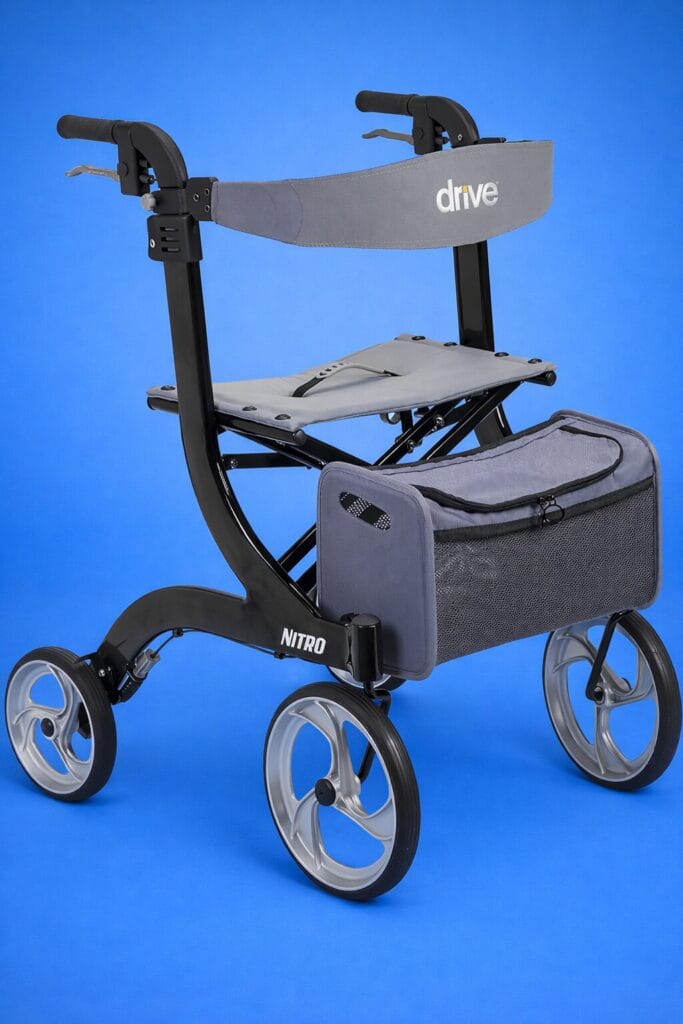
Sleek “Euro-style” rollator with zippered storage bag, contoured backrest, and large front casters.
Specs
Weight: Lightweight aluminum frame (exact weight varies by configuration)
Type: 4-wheel rollator
Key features: Large front casters (10″), cross-brace folding, integrated brakes, contoured backrest, zippered bag
What we like
Stable tracking: Large front casters improve confidence on mixed terrain.
Easy folding: Cross-brace design folds smoothly for storage and transport.
Useful storage: Large zippered bag is practical for daily errands.
Less snag risk: Frame design helps prevent cable snags—a small detail that matters.
What we don’t
Higher cost: Typically pricier than basic rollators for the added refinement.
The “Euro-style” label can sound like marketing, but the Nitro earns it with a noticeably more polished experience. It’s built for seniors who use a rollator every day and want something that feels smooth, stable, and thoughtfully designed—not just functional.
The standout is how it handles the real world: larger front casters track confidently on uneven sidewalks and transitions, and the braking setup provides better control when navigating slopes (such as driveways or curb cuts). On longer walks, the supportive backrest and padded seat encourage safer pacing: you walk until you actually need a break, then sit securely.
Storage is another practical win. A roomy zippered bag makes it easier to carry essentials without juggling items in your hands—something that can quietly increase fall risk. And the cable-snag prevention is one of those “you only notice it when it’s missing” details that reduces day-to-day frustration.
Compared to our #1 Drive Durable, the Nitro is less about being the most straightforward value and more about being the daily-driver upgrade. If the budget allows, it’s one of the best ways to deliver a premium feel without sacrificing the core safety and stability seniors need.
Overall verdict: A top pick for seniors who want a premium feel—smooth rolling, smart storage, and a more refined design.
Best for Comfort
#3. Medline Empower Premium Rollator
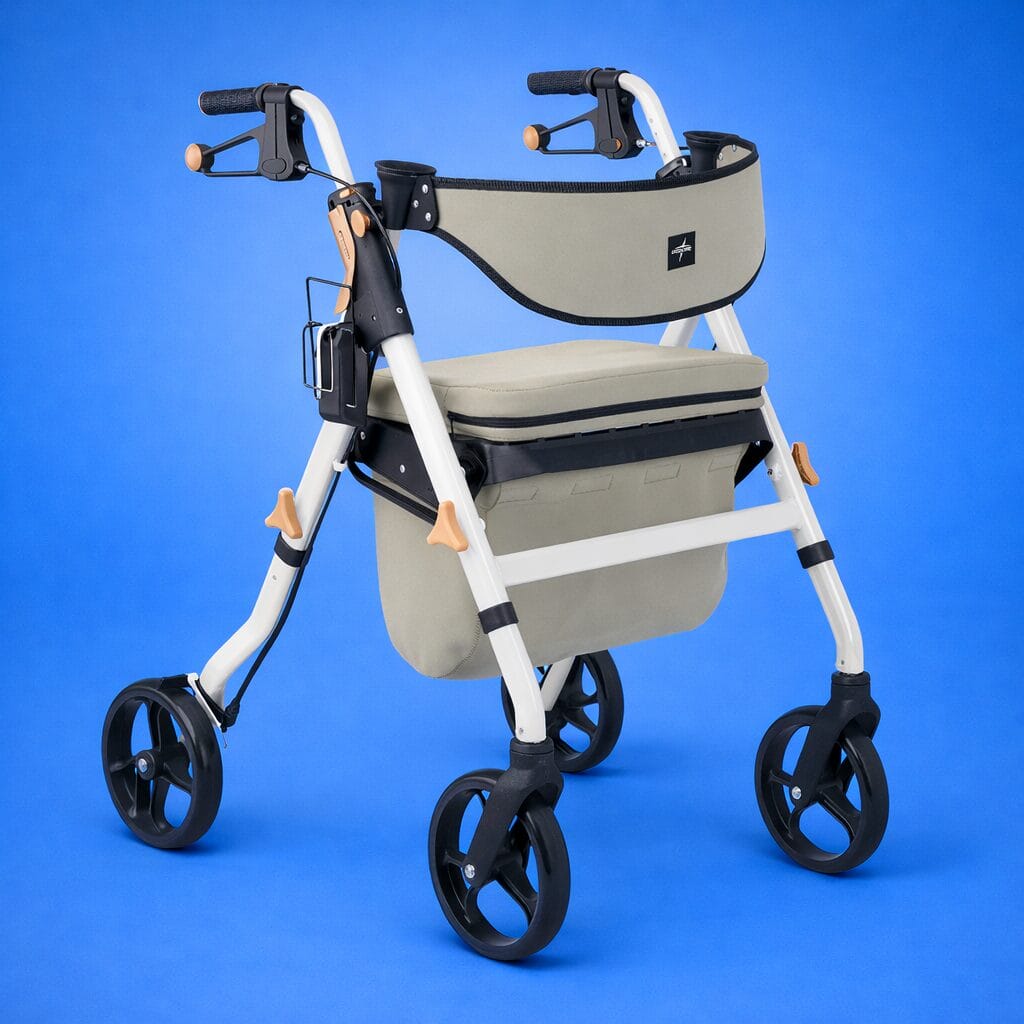
Premium rollator emphasizing stability, comfort grips, and easy maneuvering.
Specs
Weight: 23lbs
Type: Rollator
Key features: High safety emphasis, comfortable grips, easy maneuvering, adjustable height
What we like
Safety-first feel: High emphasis on stability and confidence in daily use.
Comfortable grip: Designed to reduce hand fatigue over longer walks.
Easy maneuvering: A strong fit for tighter home layouts and indoor turns.
Adjustable fit: Height adjustment helps support better posture.
What we don’t
Slightly heavy
If comfort and confidence are the top priorities, the Medline Empower is a compelling premium-leaning option. The core story is safety plus ergonomics: a stable-feeling rollator with a grip that’s designed to stay comfortable when you’re using it every day.
We also like that it’s described as easy to maneuver in tight spaces—a huge deal in real homes, where hallways, corners, and doorframes are the norm. Many “outdoor-friendly” rollators feel bulky indoors; this one aims to strike a balance by remaining user-friendly indoors while still offering a supportive, stable ride.
Compared to minimalist, budget-oriented walkers, the Empower is for people who want a more supportive, dialed-in experience day after day. Just make sure you double-check dimensions (especially width for doorways) and any weight or seat-height specifics before ordering.
Overall verdict: A strong comfort-and-safety pick for daily users who want a premium, confidence-inspiring rollator.
Best for Outdoor Terrain
#4. ELENKER All Terrain Rollator
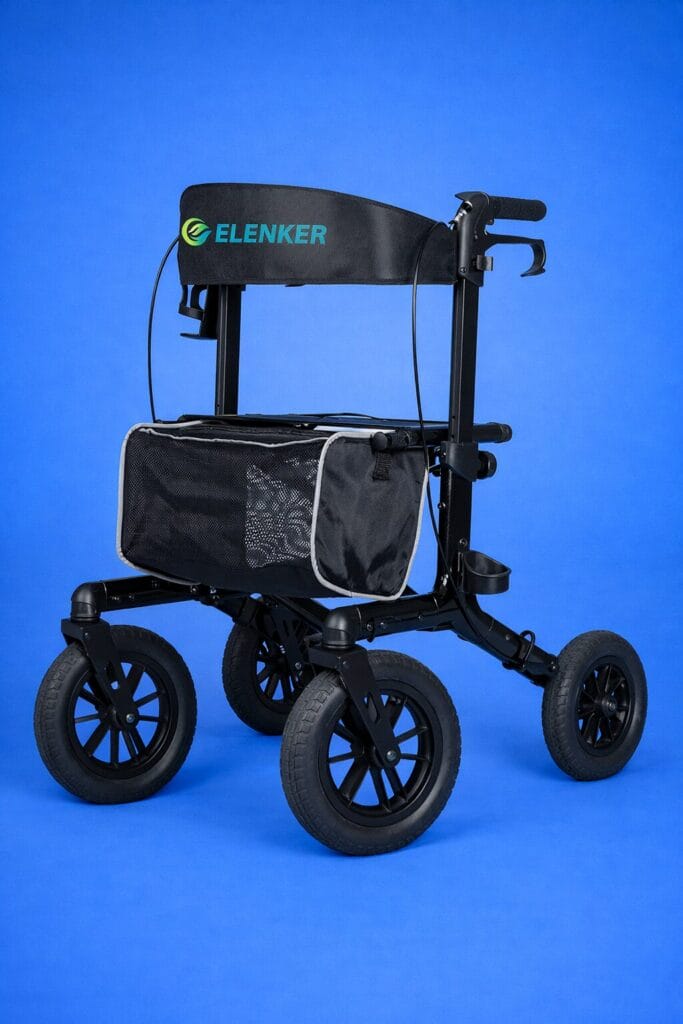
Image alt text: All-terrain rollator designed for maneuverability, comfort, and outdoor use.
Specs
Weight: 18 lb
Type: All-terrain rollator
Key features: High maneuverability, comfortable grip + seat, 300-lb capacity
What we like
Easy to use: Strong ease-of-use performance noted in testing.
Good turning control: Handles tighter turns better than many outdoor-leaning frames.
Comfort touchpoints: Grips and seat are designed for real-world breaks.
Solid capacity: 300-lb weight rating inspires confidence.
What we don’t
Safety nuance: Noted slightly lower safety rating than some top options—fit and brake habits matter.
Storage tradeoff: No removable storage bag included.
If your world includes cracked sidewalks, rough paths, or frequent outdoor errands, an “all-terrain” rollator can be the difference between staying active and staying home. The ELENKER stands out for its maneuverability and comfort, with a strong score for ease of use.
We like that it balances a comfortable seat and grip experience with a robust 300-pound capacity—good signals for real stability. At the same time, outdoor use is where safety basics matter most: consistent brake engagement, controlled pace on slopes, and a properly adjusted handle height.
Compared to a sleek premium rollator like the Drive Nitro Euro, the ELENKER is more about function for the dollar. You may give up some refined storage and design detail, but you’re getting a capable outdoor-friendly frame at a clear budget price.
Overall verdict: One of the best values for seniors who want to keep walking outdoors—especially on imperfect surfaces.
Best Lightweight / Tight Spaces
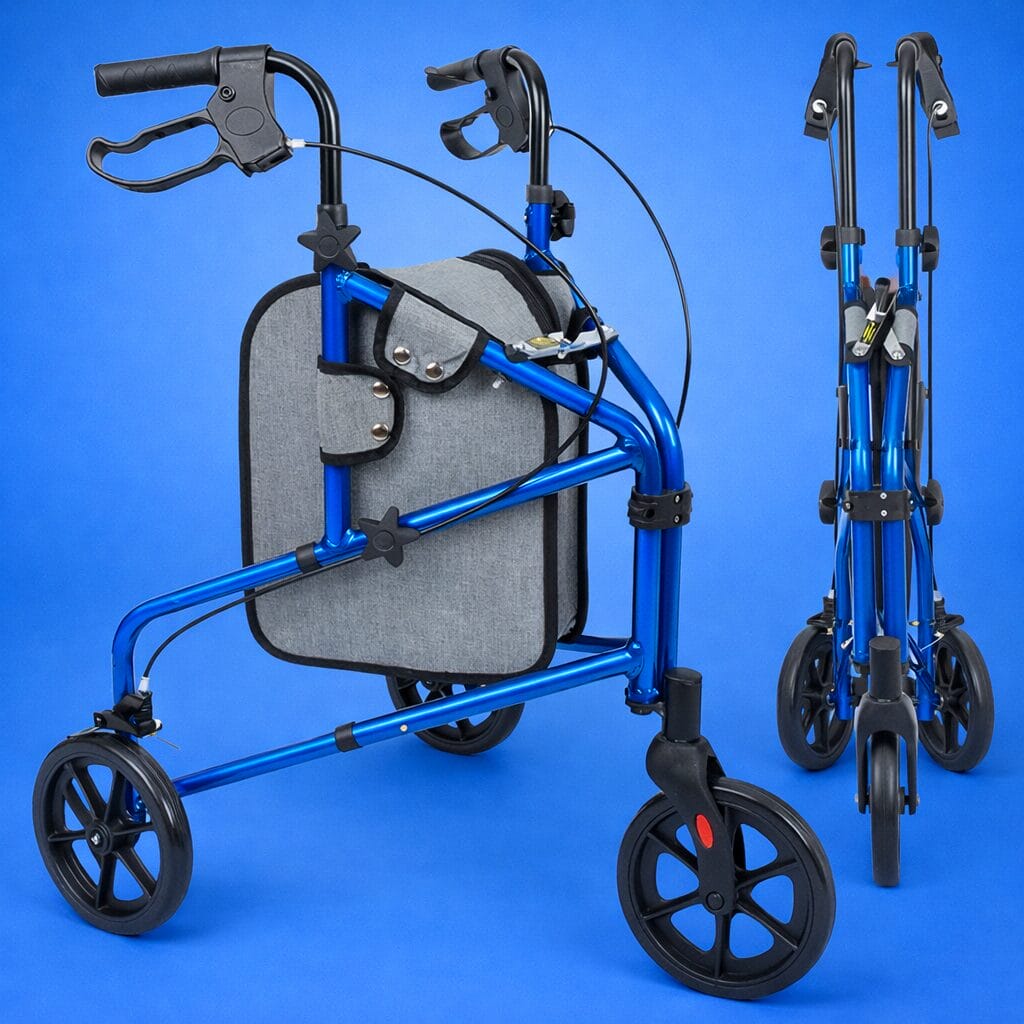
#5. Vive Health 3 Wheel Walker Rollator
Specs
Weight: 11 lb
Type: 3-wheel rollator
Key features: Tight turning radius, storage pouch, 8″ all-terrain wheels, quick assembly, folds easily
What we like
Tight-space agility: Exceptional maneuverability around corners and narrow halls.
Very portable: Low 11-lb weight is easy for travel and transport.
Easy storage: Folds down neatly for closets and car trunks.
Handy pouch: Useful for essentials like wallet, phone, or keys.
What we don’t
No seat: Not ideal for users who need frequent rest breaks.
Stability tradeoff: Less stable than four-wheel rollators by design.
Three-wheel rollators are the sports cars of the category: quick steering, easy handling, and great in tight spaces. The Vive leans hard into that advantage and keeps weight impressively low, which is exactly what many users want for travel, apartments, and narrow hallways.
The key decision is whether you can live without a seat. If fatigue is part of the mobility challenge, a seat often isn’t optional—it’s the feature that lets you keep going. In that case, you’re better served by a four-wheel rollator like the Drive Durable or ELENKER.
But if your main need is balance assistance and smooth indoor movement (plus occasional use on outdoor sidewalks), the Vive is a smart, affordable, easy-to-own option.
Overall verdict: Best for tight spaces and lighter users who prioritize maneuverability and portability over maximum stability and seating.
Best Budget
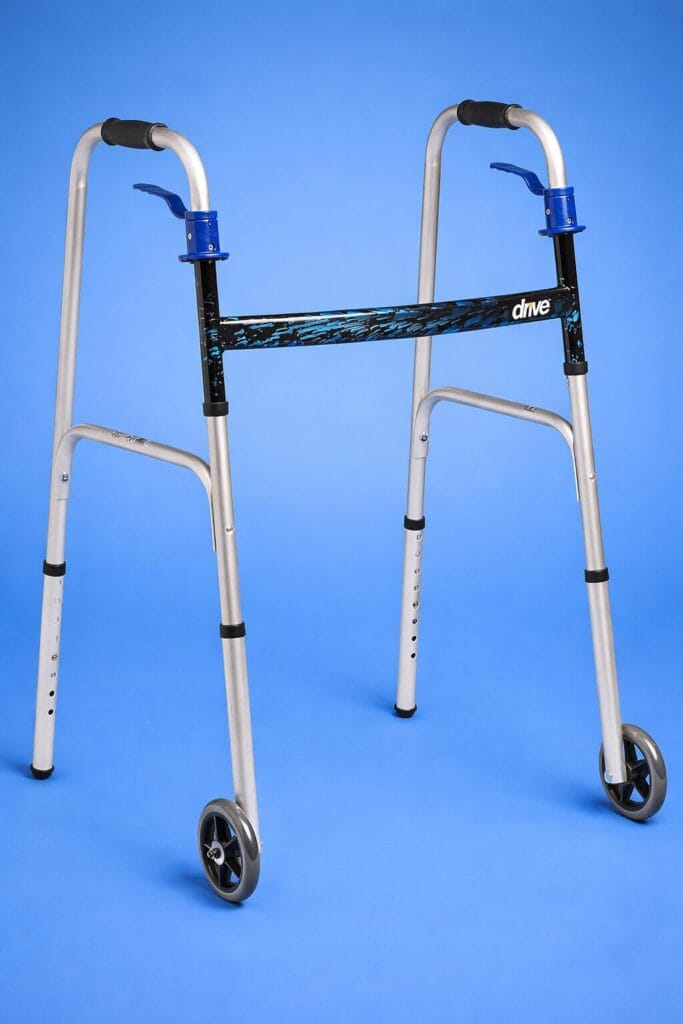
#6. Drive Deluxe Trigger Release Folding Walker
Specs
Weight: ~7 lb
Type: 2-wheel folding walker
Key features: Trigger-release folding, height adjustable, contoured grips, smooth indoor rolling
What we like
Strong value: A reliable indoor walker at a very accessible price.
Easy folding: Trigger releases help users with limited dexterity.
Lightweight: Easy to move, reposition, and store.
Smooth indoors: Performs well on common indoor surfaces.
What we don’t
Not outdoor-focused: Rough surfaces aren’t its strength.
Minimal features: No seat or storage.
For many seniors, the best mobility aid isn’t the fanciest—it’s the one that’s easy to use every day. This Drive walker nails the basics: it’s light, affordable, adjustable, and the trigger-release fold is a big usability win.
We especially like it for indoor mobility where stability and simplicity matter more than seats and storage. The small wheels help it glide on hard floors and carpet, and the contoured grips can reduce pressure during extended standing tasks (such as cooking).
Compared to rollators, the “walker” feel is typically more stable, but you give up the ability to roll continuously over rough ground and the convenience of built-in seating. If outdoor terrain is a priority, consider a rollator; otherwise, this Drive is a solid budget foundation.
Overall verdict: Our favorite low-cost, indoor-first walker—simple, light, and easy to fold.
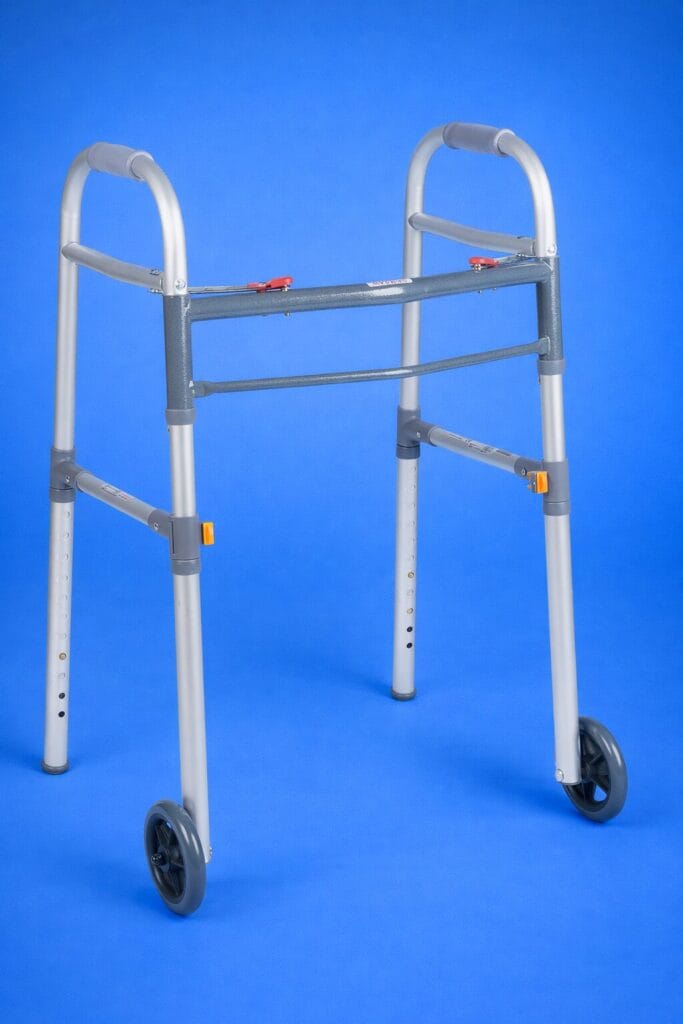
#7. Drive Medical Two-Button Folding Walker with Wheels
Specs
Weight: 7.2 lb
Type: 2-wheel walker
Key features: Adjustable height + width, permanent glide caps, 350-lb capacity, U-shaped front
What we like
Better fit options: Adjustable width is a rare, practical feature.
Smoother transitions: Glide caps help reduce snagging on thresholds and carpet edges.
Light but strong: Lightweight with a 350-lb rating.
Roomier front: The U-shaped design may feel more natural to some users.
What we don’t
Surface limits: Like most small-wheel walkers, it’s not built for rough outdoor terrain.
Fit issues are among the most common reasons mobility aids are abandoned. That’s why we like this model’s adjustability—especially the width adjustment, which is unusual and can help match the walker to a user’s gait and home layout.
We’re also big fans of glide caps in real homes. If you’ve ever watched a walker snag on a threshold or “catch” at the edge of carpet, you know why: those small interruptions can become confidence killers. Glide caps smooth out the experience and reduce the “stop-start” friction that can make seniors feel less steady.
Overall verdict: A smart pick for carpeted homes and shoppers who want extra fit adjustability—especially width.
How We Chose the Best Walkers and Rollators
When you’re shopping for a mobility aid, the spec sheet rarely tells the whole story. Two walkers can weigh the same and have the same weight capacity, but one feels rock-solid and intuitive while the other feels awkward to fold, uncomfortable in the hands, or twitchy over thresholds. So for this guide, we prioritized real-world usability—the things that determine whether a senior will actually use the aid every day.
First, we separated products by type and use case. Two-wheel walkers and traditional folding walkers tend to shine indoors because they’re simple and stable, while four-wheel rollators are typically better for longer outings thanks to continuous rolling, braking control, and (often) seating. Three-wheel rollators can be excellent in tight spaces, but the stability trade-off is real, and many models omit a seat entirely. The “best” option depends more on the user than the product category.
From there, we focused on six core factors.
1) Stability and safety
Stability is not just “does it tip.” It’s how predictable the device feels when starting, stopping, turning, and transitioning over thresholds. For rollators, braking is critical: easy-to-squeeze levers and reliable parking brakes are essential for safe seating and controlled downhill movement.
2) Fit and ergonomics
An improperly sized walker can create shoulder pain, wrist strain, and hunched posture—which can reduce balance and confidence. We looked for models with good handle-height adjustment, comfortable grips, and (for rollators) supportive seats and backrests.
3) Maneuverability in real homes
Most seniors are navigating doorways, hallway corners, rugs, and furniture—not smooth open floors. A device that’s too wide or has a clumsy turning radius can feel frustrating fast. Three-wheel models often win here, but four-wheel rollators can still do well if designed thoughtfully.
4) Ease of folding and transport
This is one of the most underrated purchase criteria. If a walker is difficult to fold, seniors may avoid storing it properly or struggle to get it into a car. Trigger-release systems and intuitive fold points are worth prioritizing, especially for users with arthritis or reduced hand strength.
5) Surface compatibility
Indoor carpet, hardwood transitions, sidewalk cracks, and rougher paths all behave differently. Bigger wheels generally roll smoother and feel less jittery on uneven ground. Indoors, glide caps and well-designed front wheel setups can reduce snagging and “stop-start” moments that compromise balance.
6) Practical ownership details
Storage placement, how easily accessories attach, whether brake cables snag, and how “daily-livable” the design feels all influence long-term satisfaction. In practice, these details often separate a good product from a great one.
Buying Advice: How to Choose the Right Walker or Rollator
Step 1: Pick the right category for the user
The fastest way to make a bad purchase is choosing the wrong category. Here’s the plain-English framework.
Standard walker (no wheels)
This is generally the most stable category, but it requires lifting and placing the walker with each step. It can be a great fit for users who need maximum indoor support and move slowly and deliberately. It’s often less ideal for longer walks or anyone who struggles lifting.
Two-wheel walker
This is a popular middle ground. You typically get a stable frame with easier forward movement, which is why two-wheel walkers often work well in the home. They can roll over smooth floors and carpet more easily than a no-wheel walker, but they still aren’t designed for rough outdoor terrain.
Four-wheel rollator
This is the “walking plus freedom” category for many seniors—continuous rolling, hand brakes for control, and usually a seat for rest breaks. Rollators are often the best choice for longer outings and outdoor walking, but they can feel less locked-in than a walker, and they require good brake habits.
Three-wheel rollator
Best for tight homes and maneuverability, and often lighter for transport. The trade-off is stability and, usually, no seat. If the senior needs frequent rest breaks or has more pronounced balance issues, a four-wheel rollator is typically a better fit.
Step 2: Get the fit right (this matters more than most people think)
A mobility aid that’s “technically fine” but poorly sized can increase strain and reduce confidence.
Handle height
A common rule of thumb is that the handle height should allow a comfortable, slight bend in the elbow. Too high can raise shoulders and fatigue the upper back; too low can force a forward lean, which can reduce stability and strain the wrists.
Device width vs. your home
Measure doorway widths and any tight hallway turns. If a rollator is too wide, it becomes a constant frustration and may get parked unused. Indoor maneuverability is often the limiting factor, not outdoor performance.
Seat height (rollators)
Seat height should allow safe sitting and standing. If the seat is too low, standing up can be difficult and risky; too high, and the sitting position can feel unstable. This is especially important for seniors with weaker leg strength or knee issues.
Step 3: Decide whether the user needs a seat
A seat can be the deciding factor between staying active and staying home. If the senior regularly gets fatigued, has to stop often, or gets unsteady when tired, a rollator with a secure seat and reliable parking brakes is often the safer, more empowering choice.
If the senior will mostly use the device indoors for short distances and doesn’t need frequent rest breaks, a simpler two-wheel walker may be the better fit—more stable, lighter, and less complex.
Step 4: Prioritize the right wheels for the surfaces
Wheel size and design strongly affect how stable a rollator feels.
Bigger wheels generally help outdoors
They roll smoother over cracks, curb cuts, and uneven sidewalks. They also reduce the “front wheel catch” sensation that can surprise users and increase the risk of a stumble.
Indoors, snag resistance matters
Small thresholds, rug edges, and carpet transitions can cause the device to catch. Features like glide caps (on walkers) and well-designed front wheels (on rollators) reduce stop-start jolts.
Step 5: Don’t ignore folding and hand strength
If folding is annoying, the device will be annoying every day. For seniors with arthritis or reduced grip strength, a trigger-release folding system can make a significant difference in quality of life. On rollators, brake lever comfort matters too—if the brakes are hard to squeeze, users may avoid using them, creating a safety risk.
Price and Value: What You Actually Get at Each Tier
Budget walkers (often ~$40–$60)
This is where you’ll find basic two-wheel walkers that work very well indoors. You typically don’t get seats, storage, or premium materials, but you can get a safe, dependable daily tool.
Value rollators (often ~$90–$150)
This tier typically includes seating, improved rolling performance, and greater outdoor usability. Weight and width can increase, but the jump in real-world independence can be meaningful.
Premium rollators (often $200+ depending on retailer)
This is where you usually see better ergonomics, smoother folding, more refined storage, and thoughtful design touches that reduce daily friction. The performance leap is rarely “twice as good,” but the comfort and usability details can be worth it for daily users.
Common Mistakes We See (and How to Avoid Them)
Mistake: Buying a rollator for someone who needs maximum stability
If balance is significantly compromised, a standard walker or very stable two-wheel walker may be safer than a rollator. Rollators are effective, but they assume the user can control speed and apply the brakes consistently.
Mistake: Ignoring home dimensions
A rollator that doesn’t fit through key doorways isn’t a minor inconvenience—it can become a dealbreaker. Measure before buying.
Mistake: Underestimating the importance of brakes
For rollators, safe sitting requires parking brakes that are easy to engage and reliable. If the user won’t or can’t consistently lock the brakes before sitting, consider a different model or category.
Mistake: Choosing the lightest option without considering fatigue
Light is great for transport, but if the user needs a seat or greater stability, a slightly heavier rollator can be the safer long-term choice.
Quick “What to Know” Checklist Before You Buy
Primary use location: Mostly indoors, mixed, or mostly outdoors?
Rest breaks: Does the user need a seat?
Grip strength: Can the user comfortably squeeze brake levers and operate folding mechanisms?
Home fit: Will it fit through doorways and turn in hallways?
Surface type: Carpet/rugs, hardwood thresholds, sidewalk cracks, rough paths?
Transport: Does it need to be loaded into a truck frequently, and who will lift it?
Weight capacity: Always confirm it comfortably exceeds the user’s needs.
FAQ: Walkers and Rollators for Seniors
Should I choose a walker or a rollator?
Choose a walker (especially a two-wheel model) when maximum stability and simplicity are the priority—often indoors. Choose a rollator when the user benefits from smoother, continuous movement, better outdoor performance, and, especially, a seat for rest breaks.
Are three-wheel rollators safe?
They can be safe for the right user—especially in tight homes where maneuverability matters. But they are generally less stable than four-wheel rollators and often don’t include a seat. If balance is a major concern, four-wheel rollators are usually the safer choice.
Do rollators increase fall risk?
They can if the user moves too fast, doesn’t use the brakes properly, or relies on the rollator like a “fixed support”, the way they would a standard walker. That’s why brake comfort and training (especially locking before sitting) matter so much.
What’s the most important feature for outdoor use?
Wheel performance and braking. Larger wheels help handle cracks and uneven surfaces more smoothly, and reliable brakes help maintain control on slopes, curb cuts, and transitions.
How do I know if a rollator seat height is right?
If the seat is too low, standing up becomes difficult and potentially unsafe. If it’s too high, sitting may feel unstable. Ideally, the user can sit and stand with control, without “dropping” into the seat or struggling to rise.
Final Buyer Guidance
If you want the safest “default” for most seniors doing mixed indoor/outdoor walking, start with a stable four-wheel rollator with a comfortable seat and trustworthy brakes. If the user is mostly indoors and wants maximum simplicity and stability, a two-wheel folding walker is often the smartest purchase. If tight-space maneuverability is the main constraint, a three-wheel rollator can be a great tool—but only when the user doesn’t need a seat and has enough balance for the stability tradeoff.
If you want, paste your exact WordPress heading settings (like “H2 = section headings, H3 = product titles”) and I’ll mirror them perfectly across the entire post so you never have to re-format during upload.
Source List
- Consumer Reports — Best Walkers for Seniors
https://www.consumerreports.org/health/best-walkers-for-seniors-a3484066200/ - Consumer Reports — Best Rollators
https://www.consumerreports.org/health/rollator-walkers/best-rollators-a6741908665/ - The New York Times Wirecutter — Best Walkers
https://www.nytimes.com/wirecutter/reviews/best-walkers/ - Consumer Reports — Best Walkers for Seniors (duplicate entry)
https://www.consumerreports.org/health/best-walkers-for-seniors-a3484066200/ - SeniorSite — 7 Best Walkers for Seniors: Enhance Mobility in 2025
https://seniorsite.org/resource/7-best-walkers-for-seniors-enhance-mobility-in-2025/ - Reviewed — Best Rollator Walkers
https://www.reviewed.com/accessibility/best-right-now/best-rollator-walkers - Verywell Health — The 8 Best Walkers for Seniors
https://www.verywellhealth.com/best-walkers-for-seniors-5083029 - Verywell Health — The 8 Best Walkers for Seniors (duplicate entry)
https://www.verywellhealth.com/best-walkers-for-seniors-5083029 - Mayo Clinic — Walker: Tips for choosing and using one
https://www.mayoclinic.org/healthy-lifestyle/healthy-aging/in-depth/walker/art-20546805
Product Sources (11)
- The New York Times Wirecutter — Best Walkers
https://www.nytimes.com/wirecutter/reviews/best-walkers/ - SeniorSite — 7 Best Walkers for Seniors: Enhance Mobility in 2025
https://seniorsite.org/resource/7-best-walkers-for-seniors-enhance-mobility-in-2025/ - The New York Times Wirecutter — Best Walkers
https://www.nytimes.com/wirecutter/reviews/best-walkers/ - The New York Times Wirecutter — Best Walkers
https://www.nytimes.com/wirecutter/reviews/best-walkers/ - Consumer Reports — Best Rollators
https://www.consumerreports.org/health/rollator-walkers/best-rollators-a6741908665/ - Consumer Reports — ELENKER All Terrain Rollator (model page)
https://www.consumerreports.org/health/rollator-walkers/elenker-all-terrain-rollator/m419541/ - Consumer Reports — Best Walkers for Seniors
https://www.consumerreports.org/health/best-walkers-for-seniors-a3484066200/ - Consumer Reports — Best Walkers for Seniors
https://www.consumerreports.org/health/best-walkers-for-seniors-a3484066200/ - SeniorSite — 7 Best Walkers for Seniors: Enhance Mobility in 2025
https://seniorsite.org/resource/7-best-walkers-for-seniors-enhance-mobility-in-2025/ - SeniorSite — 7 Best Walkers for Seniors: Enhance Mobility in 2025
https://seniorsite.org/resource/7-best-walkers-for-seniors-enhance-mobility-in-2025/ - Reviewed — Best Rollator Walkers
https://www.reviewed.com/accessibility/best-right-now/best-rollator-walkers


